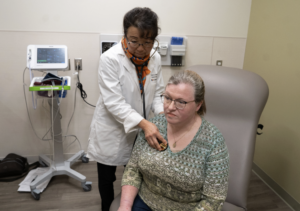
Usage Rights: All content is available for editorial use with attribution to El Camino Health

As American Heart Month begins, El Camino Health is highlighting a shifting trend in cardiac care: Atrial Fibrillation (AFib) is increasingly affecting younger, active adults. With cases expected to hit 12 million in the U.S. by 2030, medical experts are emphasizing early intervention and the adoption of pioneering “non-thermal” technology to restore heart rhythms.
The Rise of “Young” AFib
While traditionally associated with the elderly, physicians are seeing a spike in patients in their 30s, 40s, and 50s. This increase is attributed to better detection tools and lifestyle risk factors, including:
- High stress and anxiety
- Sleep apnea, obesity, and diabetes
- Smoking, alcohol, and excessive caffeine
- Intense endurance sports
A “Game-Changer” in Treatment: Pulse Field Ablation (PFA)
Dr. David Singh, a cardiac electrophysiologist at El Camino Health, is utilizing Pulse Field Ablation (PFA), a breakthrough recently approved by the FDA.
- How it works: Unlike traditional methods that “burn” or “freeze” heart tissue (thermal ablation), PFA uses high-energy electrical pulses to “reset” the heart with pinpoint precision.
- Benefits: The procedure is significantly faster—reducing anesthesia time from three hours to roughly 45 minutes—and is considered safer than older technologies.
- Recovery: Patients often return home the same day. For example, patient Jerry Veggian, 60, reported being “100%” and back to riding motorcycles just three months after his procedure.
The Danger of Delay
AFib increases the risk of stroke by fivefold and is linked to heart failure and dementia. Experts urge the community to watch for “red flag” symptoms:
- Heart Palpitations: Feeling like the heart is flipping or skipping beats.
- Unexplained Fatigue: Feeling exhausted despite rest.
- Shortness of Breath: Difficulty breathing during light activity.
Key Takeaway: “The message is clear: the sooner you seek help, the faster you get your life back,” says Dr. Singh. Early diagnosis through annual physicals is vital, as some patients may remain asymptomatic.